
Before & After Result
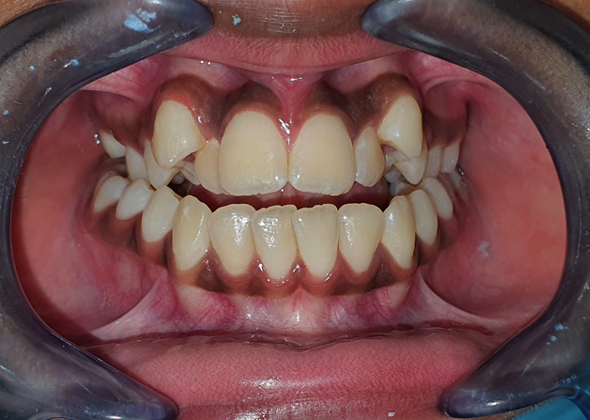
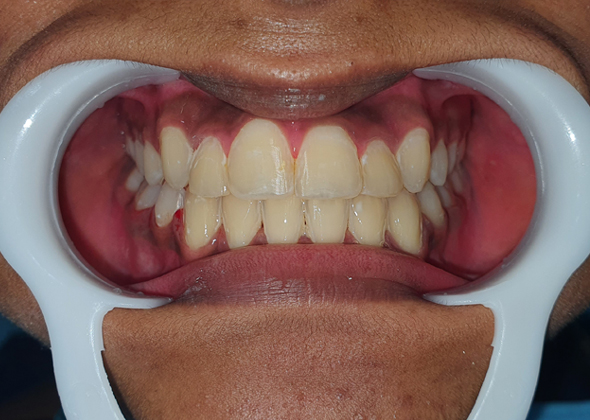
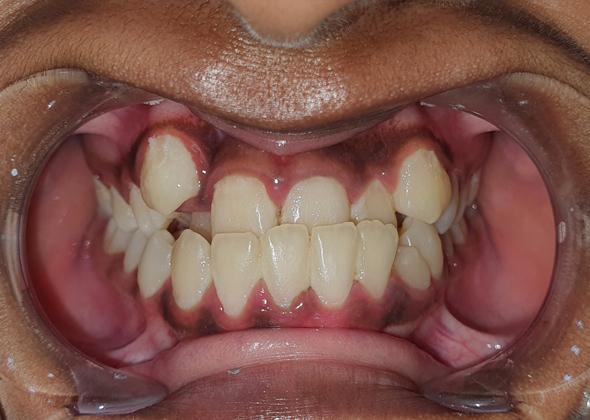
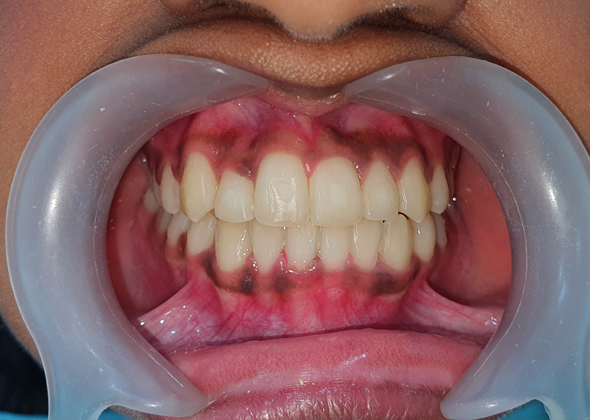
Orthodontic treatments play a crucial role in ensuring dental health and aesthetic appeal. Choosing the right treatment can significantly impact both the process and results of orthodontic care. In this article, we will delve deeper into the two primary options available today: traditional braces and Invisalign braces. We will explore their mechanisms, advantages, disadvantages, and factors influencing the choice between them.
Traditional braces and Invisalign are two popular Orthodontic treatment options.
Traditional braces
Traditional braces utilize metal brackets and wires to gradually move teeth into alignment. This method has been a cornerstone of orthodontic treatment for decades. The brackets are securely bonded to the teeth and connected by a wire that is periodically tightened by the orthodontist. This adjustment process is essential for guiding the teeth into their desired positions. Moreover, traditional braces can effectively address a wide range of dental issues, including overcrowding, gaps, and bite misalignments. One of the benefits of traditional braces is their durability and effectiveness in managing complex cases. Patients with braces often wear them for a duration ranging from 18 months to 3 years, depending on their specific orthodontic needs.
Invisalign
Invisalign employs a series of clear, removable aligners that are custom-made for each patient. This innovative approach allows for gradual repositioning of teeth without the need for metal brackets or wires. Each set of aligners is typically worn for about two weeks before switching to the next set in the series. The aligners are designed using advanced 3D imaging technology, ensuring a precise fit and effective tooth movement. Because they are clear, Invisalign aligners are virtually invisible, making them an attractive option for adults and teenagers who prefer a more discreet treatment. Furthermore, the aligners can be removed for eating, drinking, brushing, and flossing, enhancing oral hygiene throughout the treatment process.
The differences
Braces are often more effective for complex dental issues and require periodic adjustments by an orthodontist who can monitor progress and make necessary modifications. In contrast, Invisalign offers a more discreet and convenient option, as the aligners are virtually invisible and can be easily removed for eating and maintaining oral hygiene. However, it is important to note that Invisalign may not be suitable for severe cases and requires strict compliance from the patient, as wearing the aligners for the recommended 20 to 22 hours per day is essential for effectiveness. Ultimately, the choice between traditional braces and Invisalign depends on the individual’s specific needs and preferences, as well as the recommendation of their orthodontist. Consulting with a qualified orthodontist can help determine the most suitable treatment option based on factors such as the severity of dental issues, lifestyle preferences, and budget.
Request an Appointment today to discuss your orthodontic needs and explore the best options for achieving a beautiful, aligned smile.
In conclusion, both traditional braces and Invisalign braces present unique advantages and challenges. The decision between these treatments should be made after careful consideration of individual circumstances, ideally in consultation with a qualified orthodontist. Each option can lead to a healthier, more confident smile, underlining the importance of investing in orthodontic care.
For individuals considering orthodontic treatment, understanding the potential impact on self-esteem and confidence is essential. Many patients report a significant boost in their self-image and social interactions following successful orthodontic treatment. The aesthetic improvements provided by braces or Invisalign can lead to increased confidence, positively influencing both personal and professional aspects of life.
Another critical aspect of orthodontic treatment is post-treatment care. After removing braces or completing Invisalign treatment, patients usually transition to the use of retainers. Retainers help maintain the new position of teeth and prevent them from shifting back to their original misaligned state. The length of time for wearing retainers can vary, and it is vital for patients to adhere to the orthodontist’s recommendations to ensure long-lasting results.
In addition to braces and Invisalign, it is worth mentioning the importance of orthodontic consultations. During these consultations, patients can receive a comprehensive evaluation of their dental health, including x-rays and models of their teeth. This thorough assessment allows the orthodontist to devise a personalized treatment plan tailored to the patient’s unique dental structure and goals. Furthermore, understanding the timeline and potential costs associated with each treatment option can help patients make informed decisions.
For More Details, Call: 04 286 2410
Visit: https://www.alnoorrashidiya.com/departments/dental/

Price Starts from
AED 7999/
Expert Care from Our Experienced Dentists
Flexible
Payment plans
Best
Results

Q1: Which option is more discreet, Invisalign or traditional braces?
A1: Invisalign is generally considered more discreet since the aligners are clear and virtually invisible, while traditional braces use noticeable metal brackets and wires.
Q2: Can I remove Invisalign aligners for eating and oral hygiene?
A2: Yes, one advantage of Invisalign is that the aligners are removable, allowing you to eat and maintain oral hygiene without restrictions. Traditional braces are fixed and require special care for cleaning and eating.
Q3: Are traditional braces more effective for complex dental issues?
A3: Yes, traditional braces are often recommended for complex cases such as severe misalignment, overcrowding, or bite issues. Their fixed nature provides more control for precise tooth movement.
Q4: Which treatment option requires more frequent visits to the orthodontist?
A4: Traditional braces typically require more frequent visits for adjustments and tightening of the wires. Invisalign usually involves fewer visits since the aligners are changed at home every few weeks.
Q5: Are there any limitations to using Invisalign?
A5: Invisalign may not be suitable for severe cases or certain complex dental issues. It requires strict compliance, as aligners should be worn for 20-22 hours a day to achieve optimal results. Regular aligner changes are necessary to progress through the treatment plan.
Q6: What about the period of treatment?
A6: The period of treatment depends on the severity of the case in both Invisalign and traditional braces.
