
Aug 30, 2024
By
Gum diseases are caused mainly by plaque-a sticky film of bacteria that forms on your teeth and gums which could build up to create damaging toxins if proper oral hygiene practices are not followed.
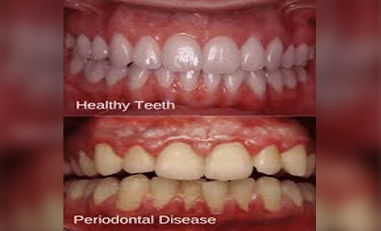
The beginning stage of gum disease is categorized as gingivitis, meaning inflammation of the gum tissues which is usually reversible. If left untreated, gingivitis advances into periodontitis—a much more dangerous form of gum disease. Periodontal disease can cause an infection that destroys the bone supporting your teeth which may eventually result in tooth loss.
Symptoms: Most common symptom of gum disease include
- Bad breath.
- Gums that bleed easily.
- Reddish swollen gums.
- sensitivity to hot or cold foods.
- Tenderness or pain when you chew food.
Gum Disease Risk Factors: Generally, mild gum infections won’t show any symptoms.
Failing to maintain a proper oral homecare routine is a major risk of developing gum disease. It is also caused by several other factors unrelated to tooth brushing like tobacco use, parafunctional habits like mouth breathing, thumb sucking etc.
Hormonal changes during puberty or pregnancy can also contribute to gum disease. Around 60-75% of pregnant women will experience issues with periodontal disease.
Conditions Related to Gum Disease: Conditions like diabetes and heart disease can also be impacted by gum problems.
Diabetes: According to CDC, those with uncontrolled diabetes are at risk for poor healing from any type of dental problem. People with diabetes suffer from different symptoms including dry mouth, which can promote tooth decay and gingivitis especially when their blood glucose levels are not well controlled. Since people with diabetes are also prone to poor healing of oral tissues, gingivitis can be more difficult to treat. This is why a regular oral care routine and deep cleaning are especially important.
Pregnancy: Hormonal changes during pregnancy can affect gum health. Blood flow may increase during this time causing gum swelling. It is important to pay special attention to your oral hygiene during pregnancy to better maintain your gum health—regular tooth brushing, and rinsing with an anti-gingivitis mouthwash can help keep your mouth in good condition.
Dry Mouth: Certain medications or medical conditions may cause insufficient saliva production leaving your mouth more vulnerable to periodontal diseases. Since saliva often helps to wash away plaque, when dry mouth occurs, plaque bacteria have a better chance of causing damage including tooth decay and gingivitis.
Menopause: A rare condition called desquamative gingivitis can occur in older women after they go through menopause. This can be extremely painful because the outermost layers of the gums pull away from the underlying tissue and expose nerves. The gums can become so loose that the outer layer can be rubbed away with the slightest touch of a cotton swab. If you are a woman still experiencing other symptoms of menopause, some type of hormone therapy may help. Or your dental professional may prescribe a corticosteroid in the form of pills to swallow or a paste that you apply directly to the gums.
Vitamin C Deficiency: Inadequate vitamin C can promote bleeding gums that can develop into gingivitis if left untreated. Vitamin C also helps the body perform maintenance and repair and wound healing of tissues.
